Birdwatching in Espadán–Mijares: Five Landscapes, Dozens of Birds, One Unique Experience
Birdwatching in Espadán–Mijares: Five Landscapes, Dozens of Birds, One Unique Experience
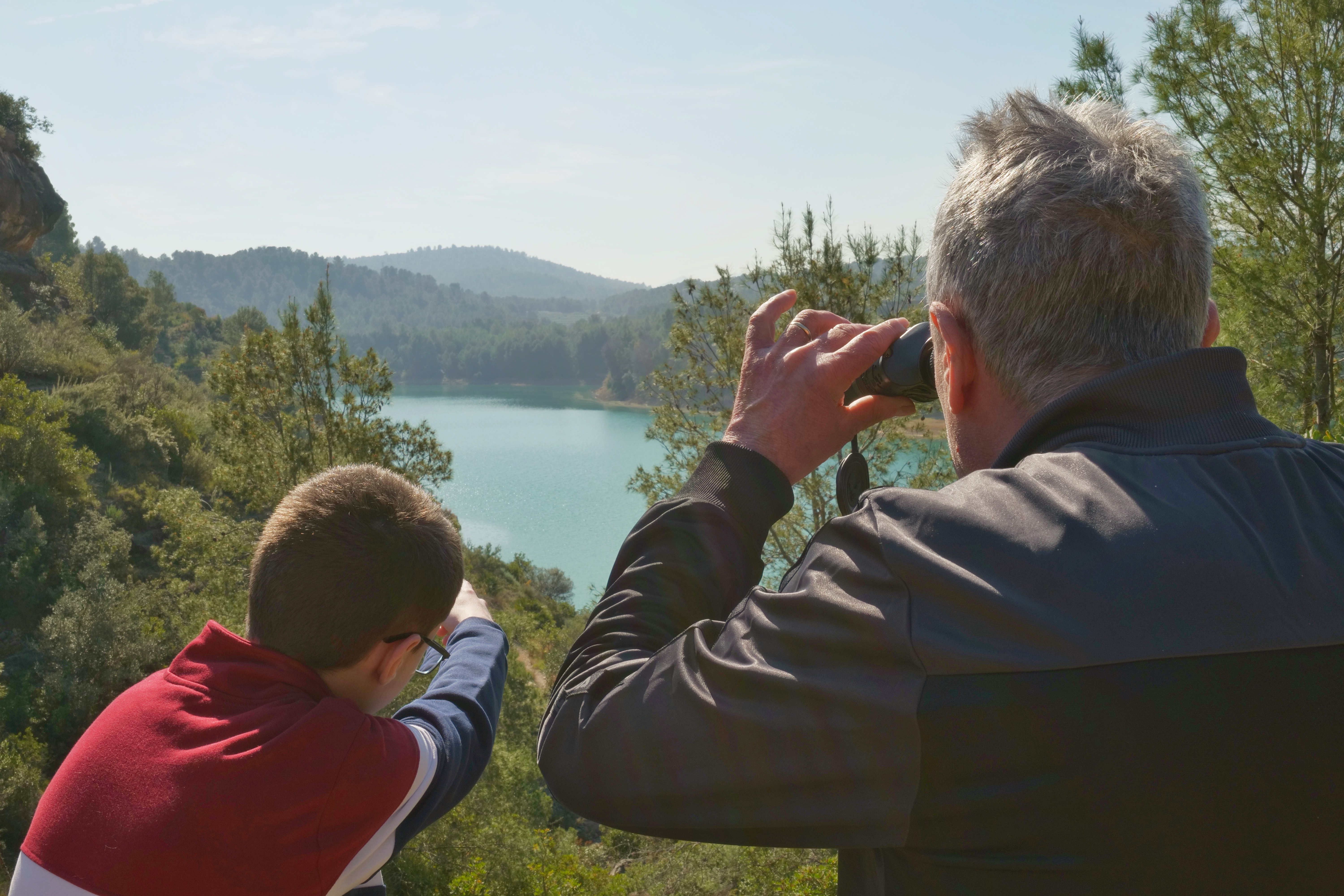
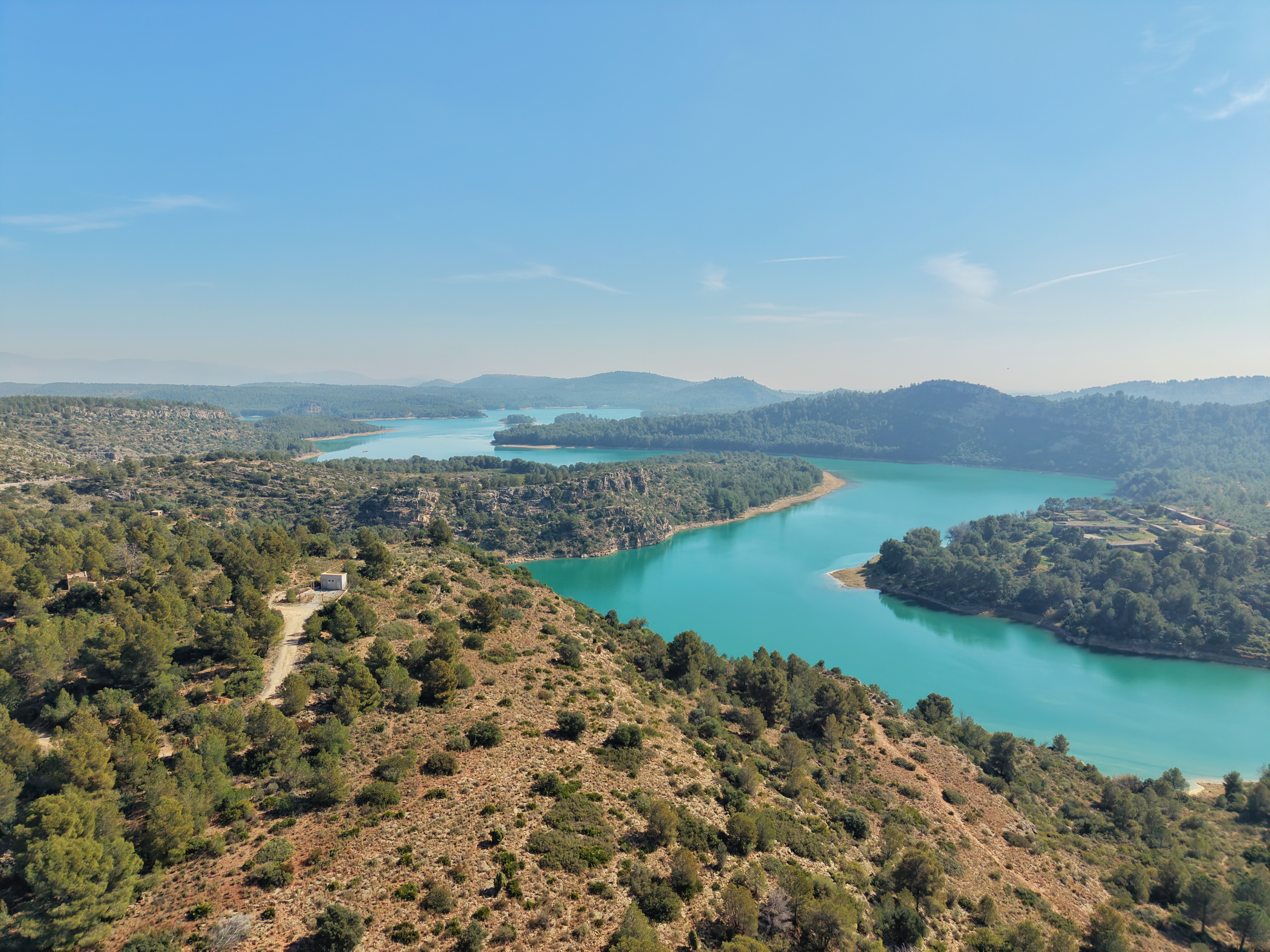
The Espadán–Mijares Community (Mancomunidad Espadán–Mijares), located in the inland area of Castellón province, is one of the most diverse and rewarding territories for birdwatching in eastern Spain. Within just a few kilometres, you can move through reservoirs, mountain rivers, olive groves, Mediterranean forests and dramatic rocky cliffs.
This diversity makes birding here truly special. It’s not just about walking with binoculars — it’s about understanding the land. Each habitat supports its own community of species, and in Espadán–Mijares, those transitions happen quickly and naturally.
To make birdwatching easier and more accessible, the area features five official ornithological observation points, each linked to a specific ecosystem and representative bird species.
Ribesalbes – Fuente del Arquet
Reservoirs and Rivers: The Realm of Waterbirds
Ribesalbes is closely connected to the Mijares River and reservoirs such as Sitjar, Vallat and Benitandús. Water shapes the landscape here, providing feeding areas, resting spots and winter refuge for aquatic species.
Along the shores, you can regularly spot the Grey Heron, Little Egret and Great Cormorant, while on the water you may observe Great Crested Grebe, Mallard and Eurasian Coot. At certain times of year, flocks of Black-headed Gulls and Yellow-legged Gulls gather in significant numbers. During migration periods, the White Stork may also make an appearance.
This is an ideal location for relaxed observation from the shoreline, especially in winter and spring.
Vallat – La Roca del Molino
Riverside Forest: Where the River Brings the Landscape to Life
The Villahermosa, Mijares and Veo rivers maintain stretches of high ecological quality in Vallat. The well-preserved riparian vegetation creates a sheltered environment that attracts a wide range of birdlife.
In spring, the air fills with birdsong. The Common Nightingale, Cetti’s Warbler and Blackcap are particularly active. Along the riverbanks, the flash of electric blue from a Common Kingfisher can appear at any moment.
In the upper river sections, it is even possible to spot the White-throated Dipper, a scarce species in the Valencian region.
Vallat is undoubtedly one of the richest and most varied birdwatching spots in Espadán–Mijares.
Fanzara – Fuente El Cantón
Rural and Agricultural Landscape: Birds Living Alongside People
In Fanzara, the scenery shifts to olive groves, farmland and traditional village buildings. This agricultural mosaic provides excellent habitat for species adapted to human presence.
It is a perfect location for beginners, as birds are visible throughout the year. The striking Eurasian Hoopoe is often seen in open fields, while the colourful European Goldfinch and European Serin are common sights. Groups of European Greenfinches and Great Tits are also frequently observed.
Above rooftops and balconies, Barn Swallows, House Martins and Common Swifts circle through the sky. At dusk, among ancient olive trees, the Little Owl may reveal itself — one of the most iconic birds of Mediterranean rural landscapes.
Tales – Camino de l’Engolidor
Mediterranean Forest: The Essence of the Sierra de Espadán
In Tales, the landscape becomes fully forested. Pine woods alternate with holm oaks and cork oaks, forming one of the most characteristic environments of Espadán–Mijares.
Birdwatching here is quieter and more immersive. Overhead, the Booted Eagle may glide across the sky, while within the trees you can find species such as the Coal Tit, Common Chiffchaff, Sardinian Warbler and Common Chaffinch.
The distinctive call of the Eurasian Jay often announces its presence before it is seen. In autumn, Song Thrushes and other thrush species add movement to the forest.
This site is ideal for those seeking a deeper connection with Mediterranean woodland habitats.
Torrechiva – Buitrera
Rocky Cliffs: Territory of the Great Raptors
The dramatic cliffs of Torrechiva are among the most spectacular landscapes in the Espadán–Mijares Community. These vertical rock faces provide nesting sites for large birds of prey.
It is common to see the Eurasian Griffon Vulture soaring overhead, sometimes accompanied by the Egyptian Vulture. The Peregrine Falcon, Red-billed Chough and Northern Raven may also be observed in this area.
On rocky ledges, you might spot the striking Blue Rock Thrush, while in flight you can see the Alpine Swift and Eurasian Crag Martin.
In early autumn, Torrechiva becomes a strategic location for observing the migration of large soaring raptors.
When Is the Best Time for Birdwatching in Espadán–Mijares?
Although spring and summer offer peak breeding activity and abundant birdsong, the area provides year-round interest:
- Spring: Maximum singing and breeding activity.
- Summer: Stable presence of forest and rural species.
- Autumn: Migration of large raptors from elevated viewpoints.
- Winter: Reservoirs and rivers host concentrations of waterbirds.
Espadán–Mijares: A Complete Birdwatching Destination
In Espadán–Mijares, you can start your morning watching a Common Kingfisher along a riverbank, spend midday immersed in Mediterranean forest listening to warblers, and finish the day observing Griffon Vultures soaring above dramatic cliffs.
Five different habitats. Five official observation points. One compact and remarkably diverse territory.
That is what makes the Espadán–Mijares Community a privileged birdwatching destination in the Valencian region.