Gastronomic tourism in Espadán-Mijares: eating the territory, not just visiting it
Gastronomic tourism in Espadán-Mijares: eating the territory, not just visiting it
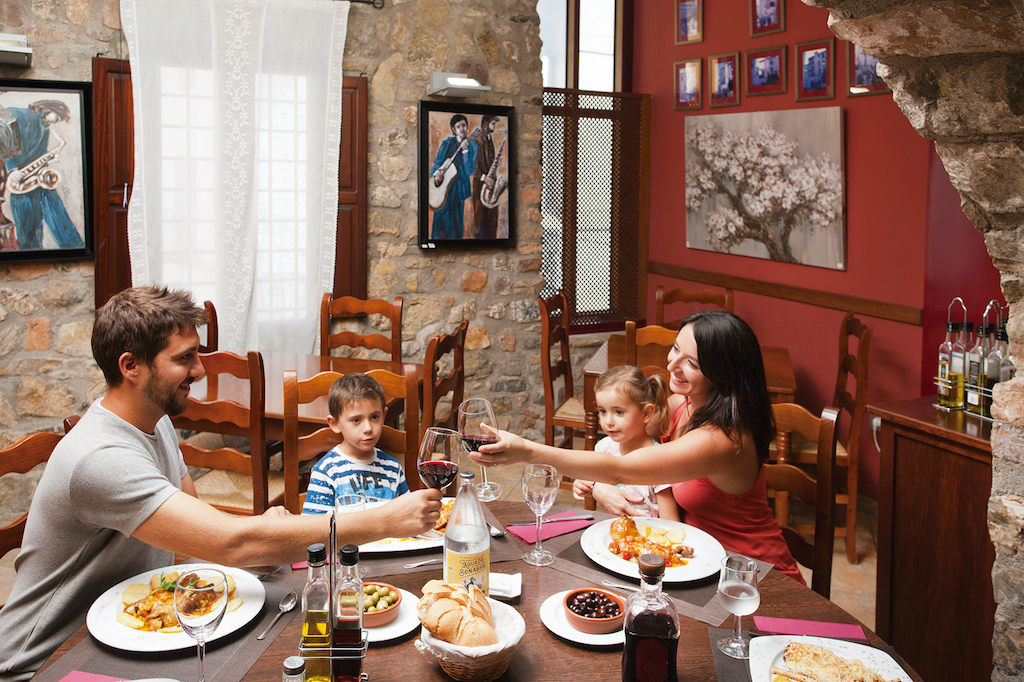
Gastronomic tourism in Espadán-Mijares is about sitting in a village bar and understanding why the stew is still an everyday dish here, why virgin olive oil is so renowned, and why a local bakery tells you more about the territory than any brochure.
What does gastronomic tourism really mean in Espadán-Mijares?
In this region (inland Castellón, bordering the Sierra de Espadán Natural Park), the cuisine is a direct result of the surrounding environment: small orchards, mountains, game, seasonal fruits, and resourceful cooking. Therefore, you shouldn't come here looking for haute cuisine. If you come to eat like the locals do, you'll be right on the right foot.
There's a very clear clue: many traditional dishes can be explained with a phrase you hear in any home: "this fills you up and makes you feel good." They're functional foods that satisfy you, fill you up, and make you feel good, and that's what's being sold today as gastronomic tourism.
Mediterranean mountain cuisine: more spoon, less decoration
When someone says "Mediterranean cuisine," many people think of the coast. Here, it's Mediterranean, yes, but inland: more broths, more legumes, more seasonal vegetables, and meats. The regional gastronomic guide reiterates one idea: inherited recipes, local produce, and the use of extra virgin olive oil in the vast majority of dishes.
Dishes you should know before ordering "the usual"
A common mistake visitors make is ordering "the usual" dishes, expecting a fixed menu. In Espadán-Mijares, what matters is the day, the cuisine of each village, and the seasonal fruits and vegetables. Even so, some dishes appear time and again:
• Stews (cabbage, cardoon, chickpea…): slow, hearty, winter cooking.
• Cod stew: a classic inland dish, more humble than it sounds and very rewarding.
• Baked rice: hearty, casserole-style, perfect if you're really hungry.
• Stews with meat (wild boar when in season) and mushrooms/saffron milk caps when appropriate.
Traditional sweets: here they are customary
If you're interested in food tourism in inland Castellón, keep an eye out for the sweets. In several towns, you'll find names that are repeated: orelletes, buñuelos, pastissos de moniato or cabello de angel, pastries, congrets/congretas, rosigones, coca mal feta… They're still found at festivals, bakeries, and homes.
Local products that support the journey
Gastronomic tourism works when the product has meaning or a story, and above all, when it's easy to find. In Espadán-Mijares, the focus is on extra virgin olive oil, but it's not the only attraction. Depending on the village and the season, you'll find cherries, artisanal honey, almonds (and pastries), locally produced sausages and meats, and oven-baked bread.
In the Valencian countryside, the real find is often in a cooperative, a bakery, or a butcher shop with its own sausages.
Where to have the best experience (and how to choose a town)
There isn't one single "gastronomic village" that's better than the rest. The best thing about this group of municipalities is spreading out your visit. For example, Aín and Alcúdia de Veo are known for their hearty stews and sweets like orelletes; Fanzara's most representative dish is cabbage stew; Toga is associated with rice dishes and snails; Torralba del Pinar preserves traditional preparations like fritura en jarra (meat preserved in oil)...
Practical table: how to plan a gastronomic tourism getaway without improvising badly
|
Moment |
What to prioritize |
Royal Council (of those who avoid disappointments) |
|
Friday afternoon/evening |
Arrival + simple dinner |
In many towns, the letter is short (which is better). Ask what they've done today and decide based on that. |
|
Saturday midday |
Traditional dish of spoon or rice |
If you see a stew or potage, don't hesitate. These are dishes that are regularly made outside of here. |
|
Saturday afternoon |
Buy local products |
Bakery/oven + olive oil + traditional sweet treat. It's the trio that best withstands the return journey. |
|
Sunday |
Walk + early lunch |
Indoor hours: eat early and don't assume everything will be open late. |
Warnings you should know before coming
I often tell clients this when they're planning a food tour through small towns: the countryside has its own rhythm. Some weekends are very busy (festivals, summer) and others have fewer options.
• Book if you are going on a weekend or special dates, especially if you are a group.
• Don't expect "haute cuisine": the good option here is usually home-style dishes.
• Carry cash “just in case” and accept earlier hours.
Common doubts (the ones that actually come up when planning)
Do you need to make a reservation for lunch? On weekends and holidays, yes. During the week it depends on the town and the season. If you have a place in mind, call ahead: inland, that saves you time and travel.
Is it an expensive destination? Usually not. The typical quality-price ratio is quite reasonable, because the food is cooked with local produce and without too much fuss.
Can you just go for the food? You can, but it's not enough. The full experience is eating and then taking a walk (or vice versa): the cuisine here only makes sense after you've seen the orchards, mountains, and villages.
If you're looking for a culinary adventure, come with a clear plan: here, the value lies not in novelty, but in consistency. And that's why, when the plan is well-executed, gastronomic tourism in Espadán-Mijares works.