War tourism in Spain: history, memory and meaningful travel
War tourism in Spain: history, memory and meaningful travel
What is war tourism and why is it of interest today?
War tourism isn't about glorifying war. It's about understanding it. Traveling to real-life armed conflict zones allows us to contextualize historical events, understand the landscape, and connect past and present in a more natural and realistic way.
In Spain, war tourism is closely linked to the Civil War. Trenches, fortifications, air-raid shelters, and former battlefronts are part of a historical heritage that remained hidden or ignored for decades.
War tourism in Spain: a still little-known heritage
Spain preserves one of the most extensive collections of war heritage in Europe. The intensity of the conflict and the variety of battlefields left their mark on mountains, villages, and defensive lines that can be visited today.
One of the clearest examples is the Battle of Levante, which took place between April and December 1938. This episode halted the Francoist advance towards Valencia and led to one of the largest defensive infrastructures of the conflict: the XYZ Line.
The Battle of the Levant and the XYZ Line
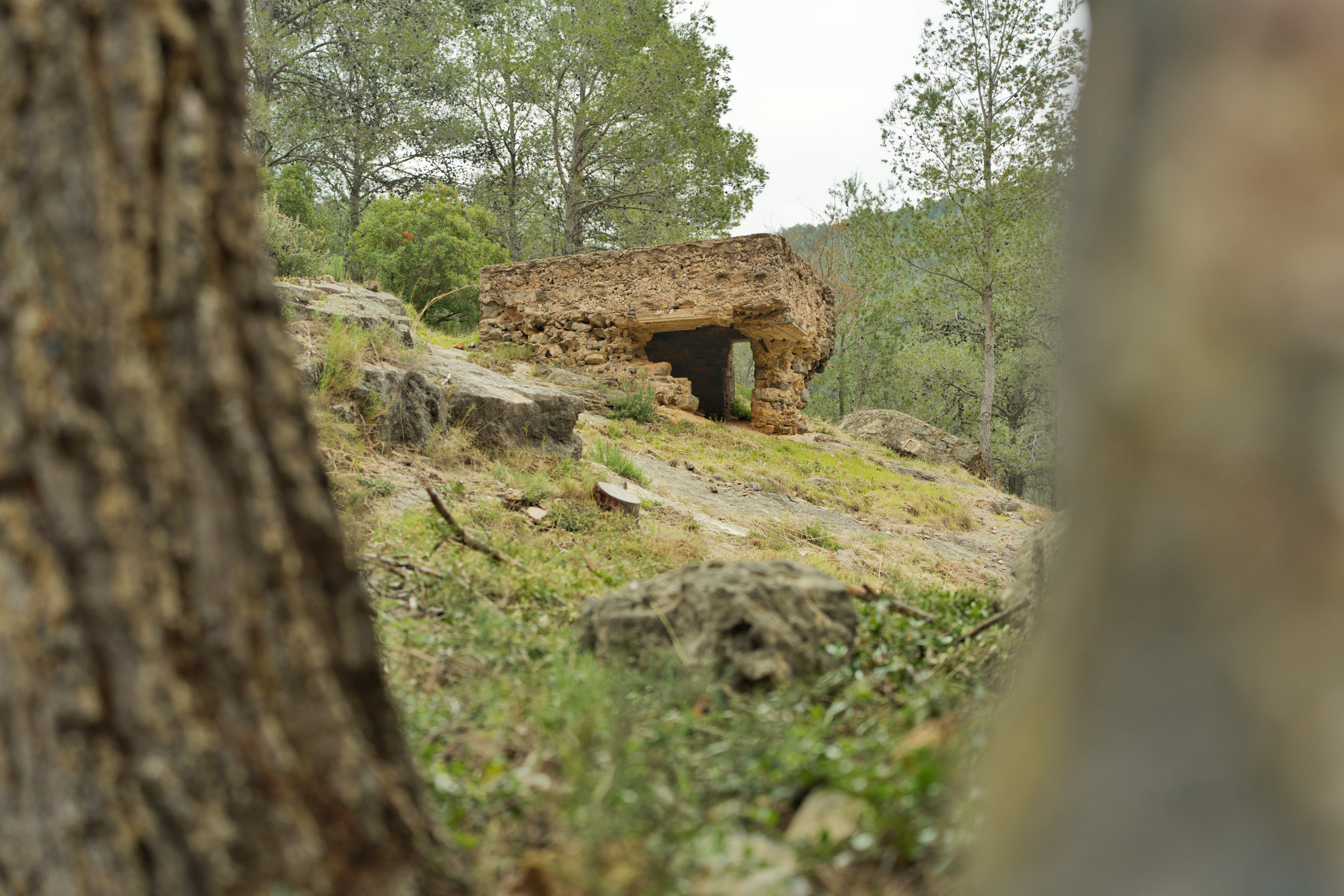
The XYZ Line stretched over 150 kilometers from Almenara (Castellón) to Santa Cruz de Moya (Cuenca). It was not a continuous wall, but a complex system of strongholds, trenches, machine gun nests, and camouflaged positions, adapted to the mountainous terrain.
In regions such as Espadán-Mijares, this system left an exceptionally well-preserved legacy, with visible structures in municipalities such as Aín, Alcudia de Veo, Espadilla, Suera or Villamalur.
How to visit war heritage sites today
Modern war tourism combines historical education, hiking, and guided tours. It's not just about walking among ruins, but about understanding what happened at each location and why that place was crucial.
Guided tours typically provide context, historical maps, and documented accounts. In many cases, free access exists, but without interpretation, the site will have less value.
|
Element |
What does it contribute? |
Recommendation |
|
Trenches |
Reading the front and defensive positions |
Guided tour or information panels |
|
Resistance centers |
Military organization of the territory |
Respect structures |
|
Shelters and urban remains |
Civil impact of the conflict |
Provide context before visiting. |
Responsible War Tourism: Key Basics
Visiting memorial sites involves responsibility. They are not theme parks or stage sets. They are places where real suffering occurred.
– Do not remove remains or alter structures
– Avoid simplistic ideological speeches
– Prioritize projects with a solid historical foundation
– Understand the local context before giving your opinion
Common questions about war tourism
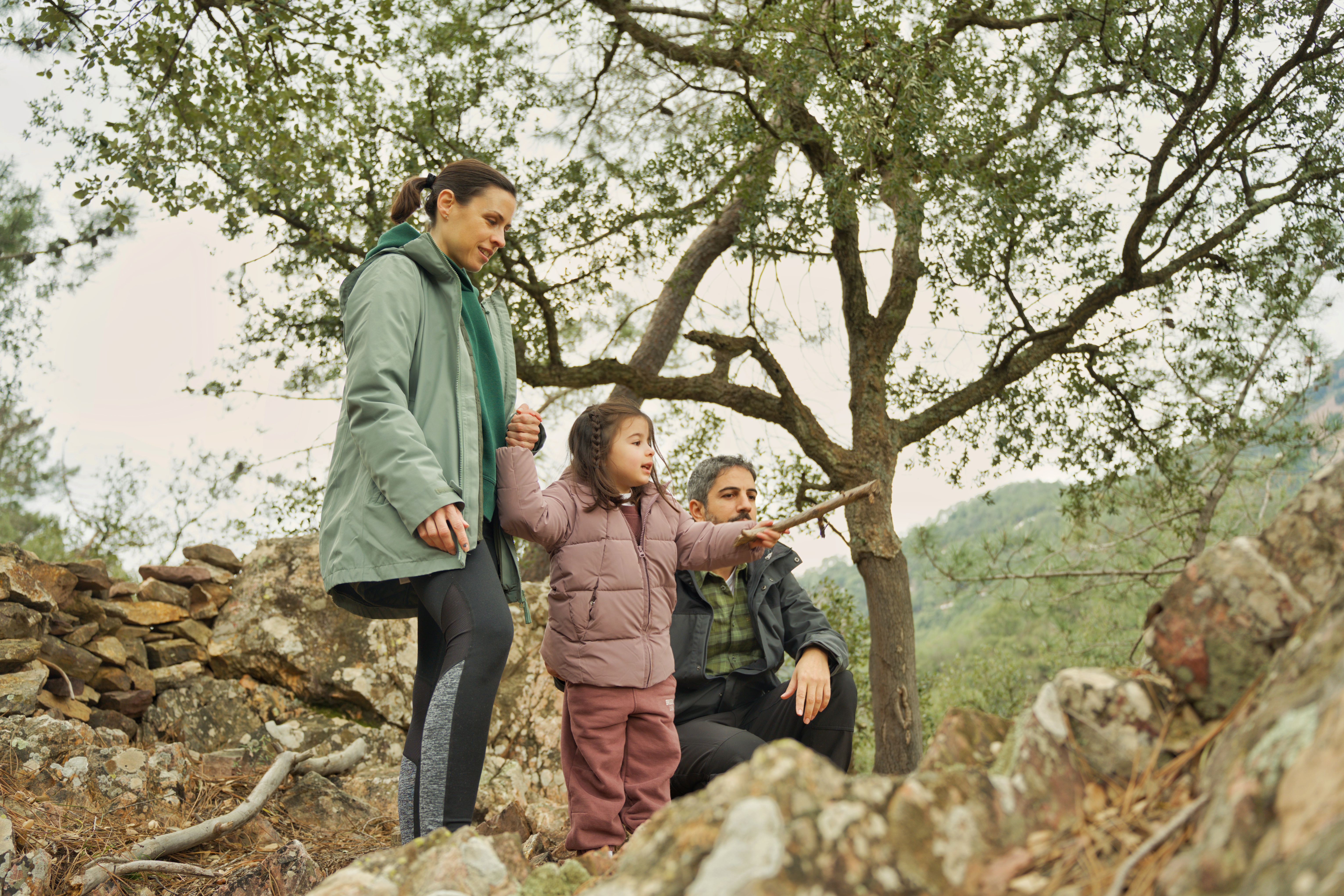
Is it a suitable type of tourism for families?
It depends on the approach. When explained well, it's a powerful educational tool.
Is physical fitness required?
Some routes involve moderate hiking, others are accessible.
Is it politicized?
The key lies in how it's told. Historical rigor reduces bias.
War tourism in Spain is not a fad. It is a mature form of cultural tourism that connects landscape, history, and memory. When done well, it leaves a lasting impression and provides a profound understanding of the region.